
Introduction
When you hear the word science, what is the first thing that comes to mind? Most people conjure up images of lab coats, safety goggles, and controlled environments filled with explosive reactions. But that isn’t the full picture, is it?
When was the last time you really considered the world around you? Have you ever stopped to wonder how the things you observe came to be or why certain things—like animals—behave the way they do?
Shifting Your Mindset
Another thing that often comes to mind when discussing science is precision and accuracy. Let’s bust that myth right now. The majority of science is actually about failing, trying again, failing some more, and repeating the process until the concept being tested is thoroughly understood and the question is answered.
How can we use this truth to shift our mindset? By acknowledging that we don’t have to know everything. The adventure is in discovering the answers for ourselves and asking the questions in the first place. All we need to do is notice the differences and get curious.
“Why are there mushrooms on that side of the yard but never on the other?”
“Why does that bird have more of a chirping call while this one has a warble?”

The first step to becoming your own scientist is making note of these questions. After all, the scientific method is simply a series of general steps:
- Observation: Notice something interesting that you want to explore. What question or questions do you have about what you observed?
- Background Research: Once you have your questions, it is helpful to familiarize yourself with information related to the topic. This step is not meant to directly answer your question but to give you a foundation for exploring it yourself. You don’t need to spend hours researching. After all, your goal is to learn—not write a 20-page research paper.
- Hypothesis: Based on what you have discovered and learned so far, make a hypothesis. What do you think the explanation for your question might be?
- Experimentation: Test your hypothesis and collect data. This can be as simple as making observations over time or as involved as conducting safe at-home experiments or using DIY science kits.
- Analysis and Conclusion: Based on your data, did the evidence support or contradict your proposed explanation? Do you need to adjust your method or hypothesis and try again? Don’t be afraid to continue studying the subject even after you think you’ve found the right answer. Science has a way of surprising us, and even wrong answers move us closer to the right one. Steps four and five can be repeated as many times as needed until your results are consistent.
- Share Your Results: Once you have answered your question with data to support your conclusions, share what you learned with a friend, family member, or anyone else who has a similar question. If they reached a different conclusion, even better! Discussing different perspectives is one of the best parts of science.
More in-depth information about the scientific method can be found in a post from Science Buddies. Remember, you are not trying to publish a scientific paper. This process can take anywhere from a few minutes to several hours depending on the complexity of your question. The goal is simply to learn how to investigate the world scientifically on your own terms and in your own environment.
Multi-Disciplinary Lab in Your Own Home
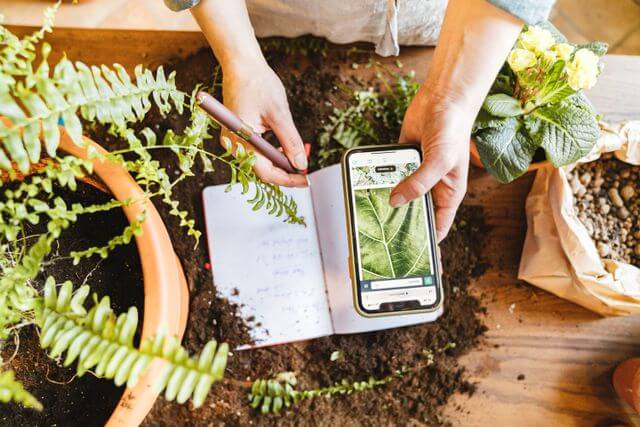
Science is much easier to find in everyday life than you might think.
- The Kitchen: A rich source of chemical reactions is one place we all know well—the kitchen. Cooking is a series of chemical reactions that just happen to result in delicious food that nourishes your body (which is even more science!).
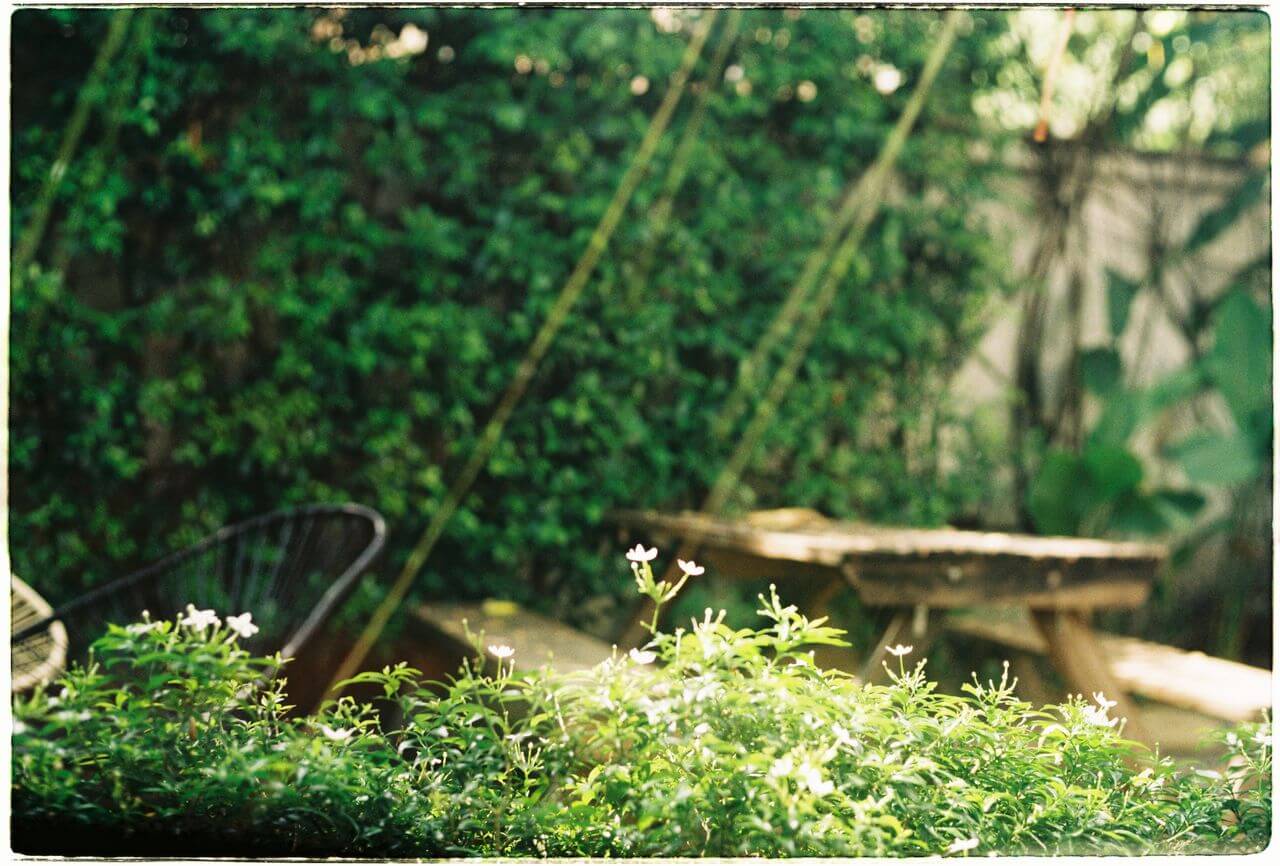
- The Backyard: Whether you live in a city and visit a local park or in the countryside surrounded by open fields, green spaces are excellent places for scientific discovery. You can explore topics ranging from animal behavior and microclimates to astronomy, water management, ecology, and much more.
- The Garden: While not everyone has a garden, if you do, it is a fantastic place to both observe and safely experiment. Here you can learn about plant biology, how light interacts with the environment, pest identification and management, pollination, soil health, and countless other scientific concepts.
In the spirit of keeping these posts digestible and concise, each of these areas of discovery (and others) will eventually become its own series with ideas and activities you can explore from your own home.
Material Learning
A different common myth that holds people back from discovering their full potential is the belief that science requires expensive equipment. That simply isn’t true. Just as you can find science in your everyday life, you can also use everyday objects. Some examples include rulers, magnifying glasses, glass jars, soil, paper, old notebooks, and much more.
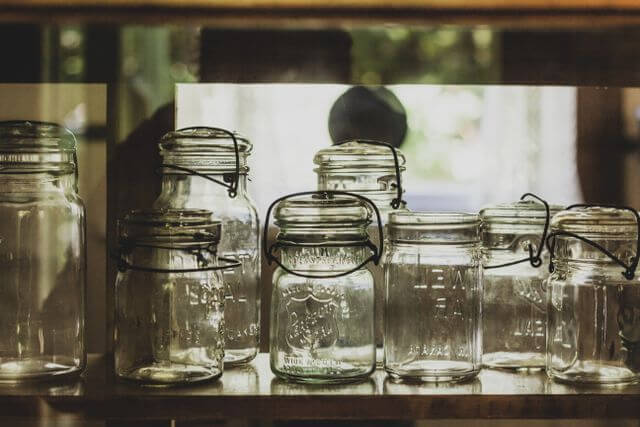
Yes, there are times when specialized equipment can make things easier, but it is by no means necessary. If you are curious about something in your environment, there is almost always a way to investigate it using materials you already have at home. In fact, doing so can help build valuable skills like creative problem-solving, resourcefulness, and reducing waste.
There are also plenty of other options, including DIY science kits, at-home science kits, online simulations, and more. Home Science Tools describes several of these resources, though it is far from an exhaustive list. These are all excellent tools for curious learners of any age, with responsible adult supervision where appropriate.
One goal of this blog is to make science more accessible for people of all ages through safe, practical, and resourceful activities that can be done at home without expensive equipment. Of course, you are always welcome to make the experience your own, whether that means keeping it simple or investing in additional materials.
Conclusion
While this blog touches on many topics, it all comes back to one thing: curiosity. We become so wrapped up in the chaos of everyday life and so comfortable in our routines that we forget to slow down and notice what is actually around us.
Let’s reclaim our sense of discovery and genuine curiosity about the world. Today, I challenge you to go for a walk—or simply look out a window—and find five things that catch your attention. Plants, animals, fungi, insects—anything that sparks your curiosity.
If there is something you have been wondering about or a question that leaves you with more questions than answers, reach out! There’s a good chance we can explore it together in a future post so we can all keep learning together.